

Ambashakti Steel Billets
High-Quality Billet Manufacturing for Structural Steel Production
Ambashakti manufactures high-quality steel billets, which serve as the primary raw material to produce finished steel products such as TMT bars, angles, channels, and structural steel components.
Where every finished steel product begins
Steel billets are an essential intermediate product in the steel production process. The quality of billets affects the strength, durability, and mechanical performance of rolled steel products used in construction and infrastructure projects.
As a trusted steel billets manufacturer in India, Ambashakti uses advanced induction furnace technology and continuous casting machines (CCM) to produce billets with consistent quality precise dimensions, and excellent metallurgical properties.
These billets are used in rolling mills and steel plants to produce reinforcement bars and structural steel sections.

What are Steel Billets?
Semi-finished steel products that form the foundation of every rolled steel product — the raw input that becomes every TMT bar, angle, and channel we manufacture.
Steel billets are semi-finished products with square cross-sections produced via induction furnace melting and continuous casting. They serve as the base material that rolling mills process into finished products. The quality of billets directly determines the strength, ductility, and mechanical performance of every rolled product.
- TMT bars for reinforced concrete structures
- Structural steel sections (angles and channels)
- Engineering steel components and machinery parts
- Industrial structural fabrication materials
The metallurgical composition and casting precision of a billet flows directly into every bar, angle, and channel rolled from it. High-quality billets ensure:
- Uniform grain structure across rolled sections
- Better tensile strength in finished steel products
- Improved ductility and elongation values
- Reduced surface and internal defects in rolling
- Longer structural lifespan for end-use construction
Amba Shakti – Integrated Steel Manufacturing in India
Our integrated steel manufacturing process covers raw material processing, sponge iron production, steel billet manufacturing, and rolling of finished steel products, ensuring end-to-end quality control and reliable products for construction and infrastructure development.
Uniform grain structure
Ensures consistent internal structure for reliable steel performance.
Better tensile strength
Provides greater strength and load-bearing capability.
Improved ductility
Allows steel to bend and deform without sudden failure.
Reduced defects in rolled steel products
Minimizes imperfections in finished rolled steel products.
Longer structural lifespan
Supports durable and long-lasting structural performance.
Trusted Billet Quality
Advanced casting and strict quality control ensure reliable billets.
Choose your billet section
Square and rectangular billets available in standard and custom cross-sections. All billets conform to IS 2830.
- Length: 3–12 m
- Weight: ~2.37 kg/cm
- Ideal for TMT 8–16mm
- Length: 3–12 m
- Weight: ~3.85 kg/cm
- Ideal for TMT 16–25mm
- Length: 3–12 m
- Weight: ~6.15 kg/cm
- Ideal for TMT 25–40mm
High-Quality Steel Billets for Construction

Production of Reinforcement Steel
Billets are rolled into TMT bars, which are used in reinforced concrete structures such as buildings, bridges, and infrastructure projects.
Learn more:

Production of Structural Steel
Billets are also used to manufacture structural steel sections such as angles and channels, which are core components in steel frameworks and industrial construction.
Learn more:
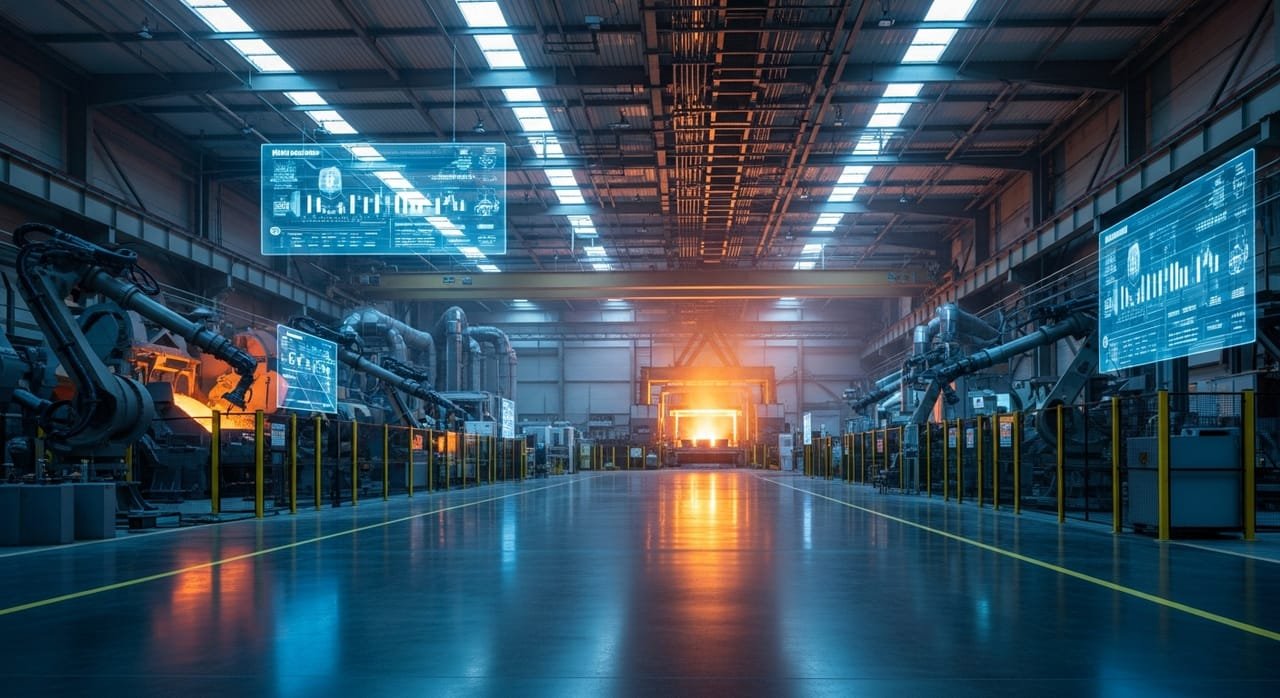
Industrial Steel Products
Billets serve as raw material to produce:
- Engineering steel components
- Industrial machinery parts
- Structural fabrication materials


Steel Billet Manufacturing Process
Ambashakti follows a structured and controlled manufacturing process to produce high-quality steel billets for rolling mills and construction steel production.
- Steel scrap
- Sponge iron
In integrated steel plants, sponge iron is often produced and used as a primary input to produce steel.
Proper raw material selection ensures the correct chemical composition and strength of the final billet product.
- Plastic
- Rubber
- Dust and dirt
- Other impurities
The scrap is then sorted and prepared according to size and quality requirements before being fed into the furnace.
This step helps ensure clean molten steel and improved metallurgical properties.
Key benefits:
- Efficient melting
- Lower pollution
- Better energy efficiency
- Precise composition control
The process involves:
- Molten steel flowing into a tundish, which regulates flow and removes impurities
- Steel entering a water-cooled mould
- Ongoing solidification into rectangular billets
- Controlled cooling with water jets
Continuous casting allows exact billet dimensions and better internal steel structure.
The finished billets are then:
- Stored for shipment
- Supplied to rolling mills
- Used to manufacture TMT bars and structural steel
This stage ensures that billets meet size, surface quality, and structural integrity standards.
Uses of Ambashakti Billets
Whether you're rolling Billets, structural sections, or wire rods, trust Amba Shakti Steel Billets for the consistency your operations demand.
Rolling MillsTMT Bar ProductionStructural Sections Construction Steel
Steel Billets, Answered
The questions rolling mills, fabricators, and steel buyers ask most about billets.
What are steel billets used for?
Steel billets are semi-finished steel products used as the raw material for rolling finished steel such as TMT bars, angles, channels, and wire rods. Their quality directly determines the strength and consistency of the final rolled product.
How are Amba Shakti billets manufactured?
Our billets are produced through an integrated process — iron ore is converted to sponge iron in our own kilns, melted in induction furnaces, and continuously cast on 'Concast' machines into square-section billets under strict quality control.
What sizes and grades of billets are available?
We produce M.S. billets in standard square sections suitable for rolling TMT bars and structural sections, conforming to IS 2830 specifications. Contact our sales team for current section sizes and chemistry options.
Why does billet quality matter for TMT bars?
Uniform chemistry and defect-free billets ensure consistent mechanical properties in the finished bar. Poor billets cause weak spots, rolling defects, and inconsistent weight per metre in TMT bars.
Where can I buy Amba Shakti steel billets?
Amba Shakti supplies billets directly from our integrated plants to rolling mills and manufacturers across North and Central India. Contact us for bulk supply enquiries.
Get billet pricing today
Tell us your cross-section, grade, and monthly volume. We'll respond with pricing and availability within four hours.
About Steel Billets
Amba Shakti Steel Billets are semi-finished square cross-section products manufactured via induction furnace melting and continuous casting. Certified to IS 2830, they are produced with controlled chemical composition to ensure consistent mechanical properties in all downstream rolled products.
Key Specifications
- Cross-section: Square billets from 100mm × 100mm to 160mm × 160mm
- Standard length: 4–12 metres (custom lengths available)
- Grade: IS 2830 certified with full mill test certificates
- Chemical control: Low carbon equivalent for superior weldability of rolled products
Our billets are supplied to downstream rolling mills and steel fabricators as a primary charge material, and used in-house as feedstock for our TMT bar and structural section rolling mills. Contact us for bulk supply enquiries and mill test certificate requirements.
What Are Steel Billets?
Steel billets are semi-finished steel products with square or rectangular cross-sections produced during the steel manufacturing process. They serve as the base material for rolling mills to manufacture finished steel products.
Common products manufactured from billets include:
- TMT bars for reinforced concrete structures
- Structural steel sections
- Angles and channels
- Industrial steel products
Because billets determine the quality of final rolled products maintaining high purity and proper metallurgical composition is essential in billet manufacturing.
Ambashakti Billet Manufacturing Capacity
Ambashakti operates a modern steel manufacturing facility with induction furnace capacity exceeding 100 tonnes.
The plant produces *over one million metric tonnes of steel billets * and supplies raw material for both internal rolling mills and external steel manufacturing units.
By controlling the production process from steel melting to billet casting, Ambashakti ensures consistent quality and reliability across its steel products.
Advantages of Continuous Casting Billets
Continuous casting technology provides several advantages over traditional ingot casting methods.
Reduced Material Loss
- Traditional ingots often require significant trimming due to dimensional inconsistencies. Continuous casting produces billets with uniform dimensions, which reduces waste.
Higher Automation
- Continuous casting systems allow automated steel production improving consistency and reducing human error.
Improved Steel Quality
- Continuous casting minimizes metal segregation and internal defects resulting in better structural properties.
Higher Productivity
- Billet sizes and casting speeds can be adjusted allowing greater production effectiveness.
Energy Effectiveness
- Billets produced through continuous casting can be charged into rolling mills while still hot reducing reheating energy consumption.
Advantages of Induction Furnace Technology
Ambashakti uses induction furnace technology to improve effectiveness and sustainability in billet production.
- Key benefits include:
- Fast heating and melting process
- High production rates
- Lower environmental pollution
- Reduced metal oxidation and scale formation
- Energy-efficient steel production
- Higher automation and process reliability
These advantages allow Ambashakti to produce premium quality steel billets for industrial and construction applications.
Conclusion
Steel billets are an essential intermediate product in steel manufacturing forming the foundation for structural steel products such as TMT bars, angles, and channels.
Ambashakti produces high-quality steel billets using advanced induction furnace technology and continuous casting machines ensuring consistency, strength, and reliability.
With integrated manufacturing capabilities and modern steel production processes, Ambashakti continues to support construction, infrastructure, and industrial development across India.